
VIRTUAL TOURISM: THE NEW CONCEPT OF TOURISM IN CHINA
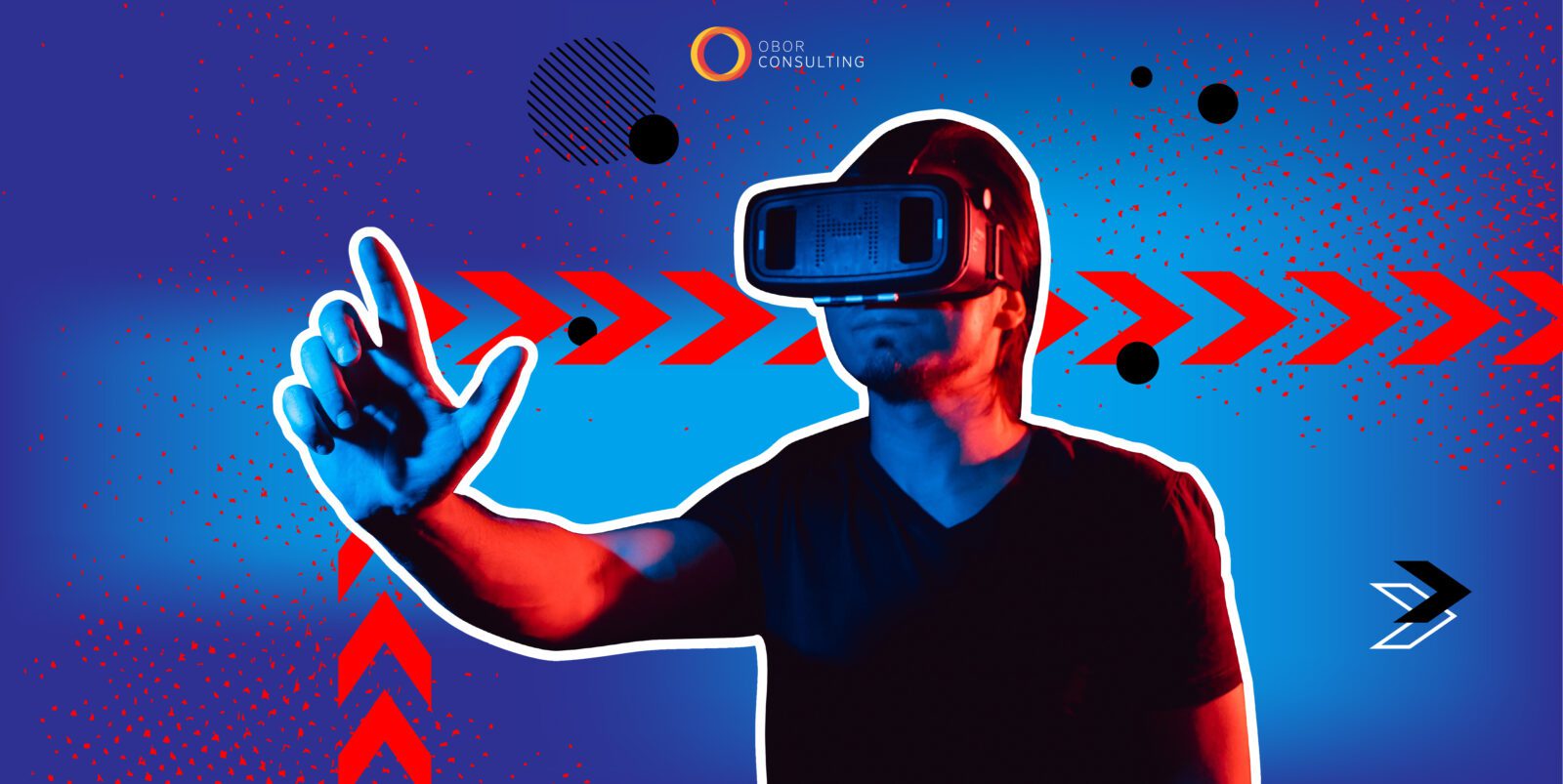
Tourism in China is changing face: as well as becoming more eco-sustainable and green, it is moving further and further towards a reality quite removed from the real thing. Virtual reality (VR) seems to be winning over many tourists, who in this case are known as virtual tourists. The phenomenon is booming in China mainly because of the pandemic of recent years, which forced people to stay at home; since the Chinese could not do without travelling, they had to come up with an alternative that let them live new adventures and discover new places while respecting the rules. And so virtual tourism was born.
Virtual tourism is the kind of tourism that uses VR technology to represent places and tourist attractions. In essence, the technology lets virtual tourists explore and visit monuments, exhibitions and museums without leaving home or wherever they are. Many Chinese tourist sites have embraced this new way of travelling, offering everyone an equally immersive and educational experience. One of the examples that generated the most excitement and interest was undoubtedly the “Palace Museum Virtual Reality Theatre” project, designed to introduce visitors to the Forbidden City, taking them step by step through its countless halls and corridors full of history and mystery. Given the huge success of this installation, other major Chinese cities such as Wuhan and Hangzhou have also decided to use VR technology to welcome visitors, and many museums now offer it.
This innovation has certainly been embraced with great enthusiasm by the Chinese public, especially Gen Z, which remains the segment of the population most interested in cutting-edge technology and the driver of all the biggest trends of the moment.
In fact, over the last 3 years the virtual reality market has shown a consistently positive trend, growing significantly recently, and it is set to keep growing, so this new kind of tourism could well represent the real future of the tourism sector in China.
The main applications of VR technology in tourism range from panoramic maps to smart VR tours. Taking the Palace Museum as an example again, in July 2020 it released a mini-program called “Digital Palace Museum”. Almost 5 million visitors from all over the world were able to access, learn about and get closer to the Forbidden City through this new channel. Virtual visitors could also enter some areas closed to the public, enjoying a truly free journey inside the Forbidden City. Some of the palace buildings could even change colours and setting according to the season: by clicking the relevant icon, you could switch to the snow-covered Palace Museum in winter or the clear skies of autumn.
Virtual tourism undoubtedly offers tourists many advantages. First of all, it saves a lot of money, because it lets anyone anywhere in the world visit distant places without having to travel, avoiding transport costs and minimising the time needed to get there. Another point in its favour is avoiding the queues often found at very famous tourist spots.
It is not yet clear whether this new kind of tourism could overtake the traditional kind. There is still a long way to go, because current VR technology needs further refinement and progress to make the experience as real as possible: image resolution still has plenty of room for improvement, as does the sensory side of the experience, which is usually non-existent. Improvements like these require substantial investment, which for now only a few can afford.
>> READ ALSO: THE SUCCESS OF GLAMPING IN CHINA (in Italian)